Malaysian Hotpot Brand CCH Lists on Nasdaq

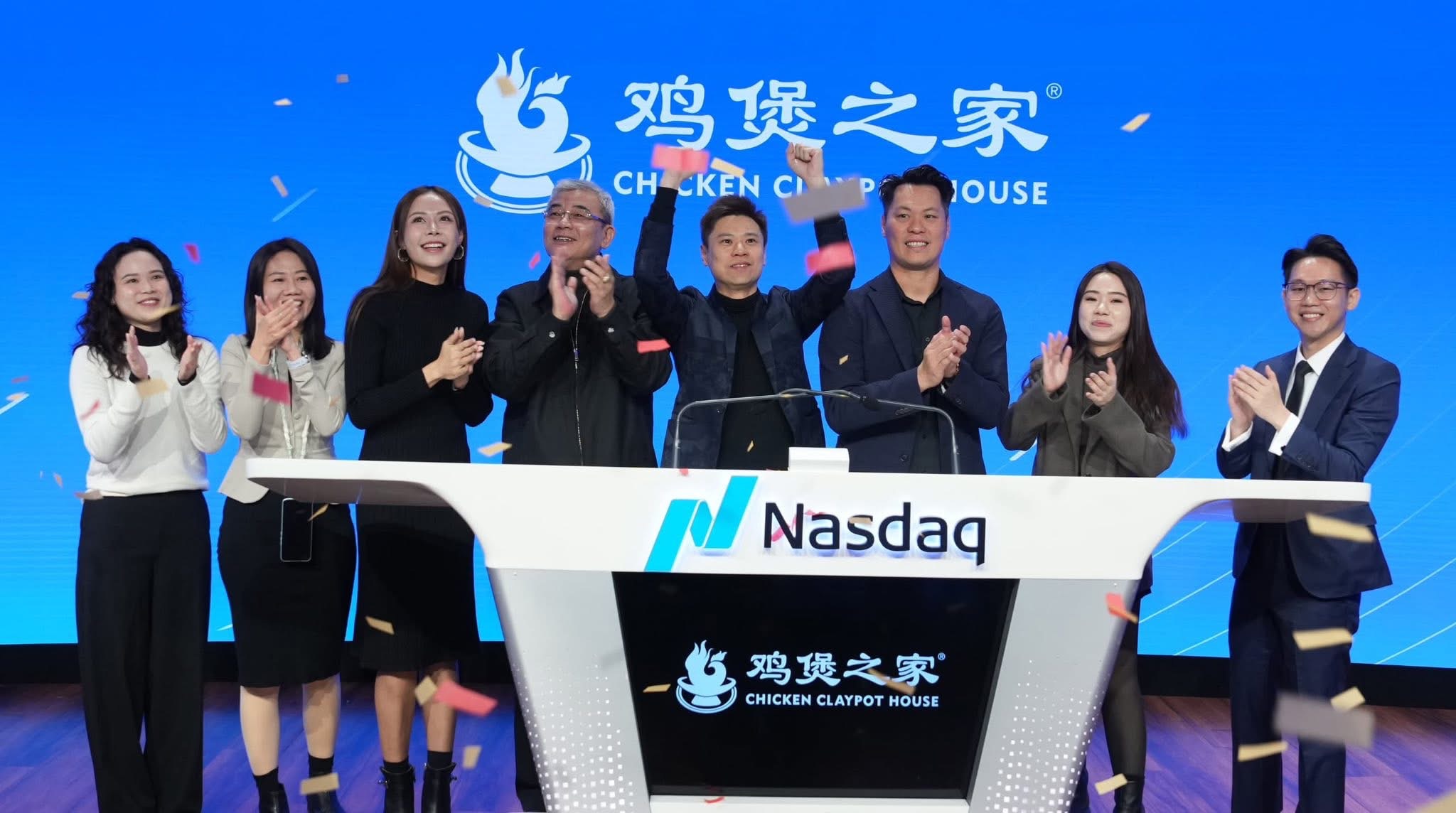
CCH Holdings Ltd, the parent company of Chicken Claypot House, a Malaysian homegrown hotpot brand, officially went public on the Nasdaq Capital Market under the ticker symbol CCHH.
This marks the first successful listing of a Malaysian F&B brand on a U.S. exchange — a milestone not only for the brand itself, but also for Malaysian entrepreneurs pursuing global growth.
🏢 Who Are They? Understanding the Brand Behind the Business
Founded in 2015 and headquartered in Penang, Malaysia, Chicken Claypot House is a hotpot chain that specializes in chicken-based broth and traditional claypot cooking. Its sister brand Zi Wei Yuan focuses on fish head hotpot and similar heritage recipes.
CCH has rapidly expanded through a mix of owned outlets and franchise stores across Malaysia. It has also begun planting its footprint across Southeast Asia, with outlets in Thailand, Indonesia, and China — laying the groundwork for international capital strategies.
To facilitate its U.S. IPO, the company was restructured through a Cayman Islands holding entity — a common setup for cross-border listings, ensuring legal compliance in the U.S. while remaining operationally rooted in Southeast Asia.
📊 Revenue & Profitability: What Does the Business Look Like?
According to CCH’s IPO filings, the company recorded US$9 million in revenue over the 12-month period ending December 31, 2024. While modest by global standards, it’s a significant achievement for a regional hotpot chain — particularly one born out of Penang.
Market research confirms CCH now holds the largest number of outlets among chicken hotpot brands in Malaysia as of early 2025. Its business model combines restaurant operations, franchise fees, and membership programs, building a diversified revenue base with scalable potential.
That said, CCH is still considered a growth-stage company, not yet at the scale or profitability of industry giants. The IPO was not about shoring up losses — it was a strategic move to accelerate expansion, branding, and market presence.
💰 How Much Did They Raise and How Will It Be Used?
On October 3, 2025, CCH Holdings completed its IPO by offering 1.25 million ordinary shares at $4 each, raising US$5 million. With the underwriters exercising the over-allotment option, total proceeds increased to approximately US$5.75 million.
According to official filings, the funds will be used to:
- Expand their restaurant network in Malaysia and other Southeast Asian markets
- Pursue acquisitions or partnerships along the food supply chain
- Strengthen branding and marketing to drive consumer engagement
- Develop new product lines such as ready-made sauces and e-commerce sales
- Support general operational and administrative needs
This shows that CCH views capital markets not merely as a cash infusion — but as a tool for long-term growth.
🇺🇸 Why List on Nasdaq Instead of Malaysia’s Bursa?
The big question: Why go all the way to the U.S. to list, instead of opting for Malaysia’s own Bursa exchange?
The answer lies in scale, visibility, and valuation:
- Deeper capital access — The U.S. markets offer larger pools of capital and more liquidity.
- Global brand exposure — A Nasdaq listing provides global media coverage and brand credibility. Being featured in Times Square isn’t just optics; it helps attract partners and investors.
- Investor mindset — U.S. investors are often more receptive to growth-stage consumer brands and better understand scalable F&B models.
For CCH, listing in the U.S. was a strategic move: not to leave home behind, but to access a bigger stage.
📜 What’s the Listing Process Like?
Listing on Nasdaq isn’t easy. Companies must comply with U.S. SEC regulations, file full F-1 registration statements, undergo audits, and meet Nasdaq’s minimum thresholds for financials, public float, and corporate governance.
Many Southeast Asian companies, including CCH, use the Cayman holding structure to streamline cross-border compliance while maintaining regional operations.
It’s not about simply “having money” — it’s about transparency, growth vision, and compliance capacity.
💵 Can They Use the Money Back in Malaysia?
Yes — but with proper compliance.
Funds raised from the U.S. IPO are received by the Cayman parent company, which can then allocate capital to its subsidiaries (e.g., in Malaysia) via legal, tax-compliant internal transactions.
Cross-border fund flows must still comply with Malaysia’s BNM foreign exchange regulations, as well as local tax and investment laws. But with proper legal planning, the answer is yes: the money can be used to grow the business back home.
🔍 Nasdaq vs. Bursa Malaysia: What’s the Difference?
Nasdaq:
- Global institutional investor base
- Higher liquidity and visibility
- Stringent disclosure requirements
- Potential for higher growth valuation
Bursa Malaysia:
- Primarily local investors
- More conservative valuations for F&B brands
- Focus on dividend-paying or traditional sectors
- Smaller capital pool
For brands like CCH aiming for regional dominance and global recognition, Nasdaq offers a more strategic fit.
✨ What Does This Mean for Malaysia?
CCH’s Nasdaq listing is a symbolic breakthrough. It proves:
- Malaysian consumer brands can go global
- F&B ventures rooted in local culture have global appeal
- Capital markets are not just for tech or finance — consumer and lifestyle businesses have their place too
- With the right strategy, even a chicken hotpot brand from Penang can ring the bell in New York
CCH’s success isn’t just about stock. It’s about story, structure, and ambition — and it shows what’s possible when Malaysian entrepreneurs think big, act globally, and scale with strategy.


Recent Updates



You Might Be Interested